

Declare covers the rules and people behind American elections and government process, including the states and communities that run them.
Analysis, Reporting, and Perspectives
Facts and informed opinions from people who live and breathe the ‘process’ of government.
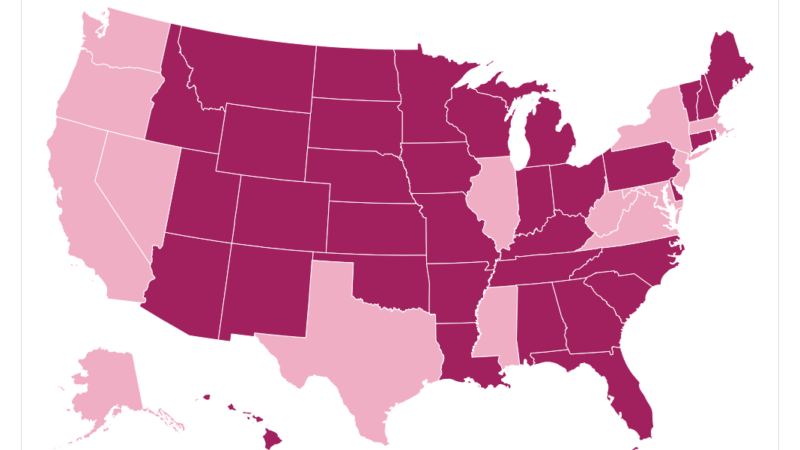
Election Integrity Map
Explore election rules and practices across all 50 states.
Original polling
Research on how Americans view elections and the policies that shape them.
Declare WireAll items →
- 2026-10-23Analysis Finds Increase in Rural Mail Ballot Rejections
- 2026-10-22Election Disinformation Warnings Start to Pour in
- 2026-10-15Report Warns of Hampered Monitoring of Foreign Influence Ops
- 2026-10-13Ginsberg: Issue of ‘Nonqualified Voters’ Overstated
- 2026-10-07‘Tens of Thousands’ of Mail Ballots at Lateness Risk After USPS Change, Study Finds
- 2026-09-28Federal Memo: Utah Postman Tossed Mail Ballots to ‘Lighten His Workload’
- 2026-10-23Analysis Finds Increase in Rural Mail Ballot Rejections
- 2026-10-22Election Disinformation Warnings Start to Pour in
- 2026-10-15Report Warns of Hampered Monitoring of Foreign Influence Ops
- 2026-10-13Ginsberg: Issue of ‘Nonqualified Voters’ Overstated
- 2026-10-07‘Tens of Thousands’ of Mail Ballots at Lateness Risk After USPS Change, Study Finds
- 2026-09-28Federal Memo: Utah Postman Tossed Mail Ballots to ‘Lighten His Workload’
Recent Stories
Declare’s newest contributor and one of its first talk with editor Chris Deaton about treating the political process, including elections, with the seriousness it deserves.
By Chris Deaton
Our contributor, the former Kentucky Secretary of State, explains the timeline leading up to Election Day this year, for both voters and those who run the process.
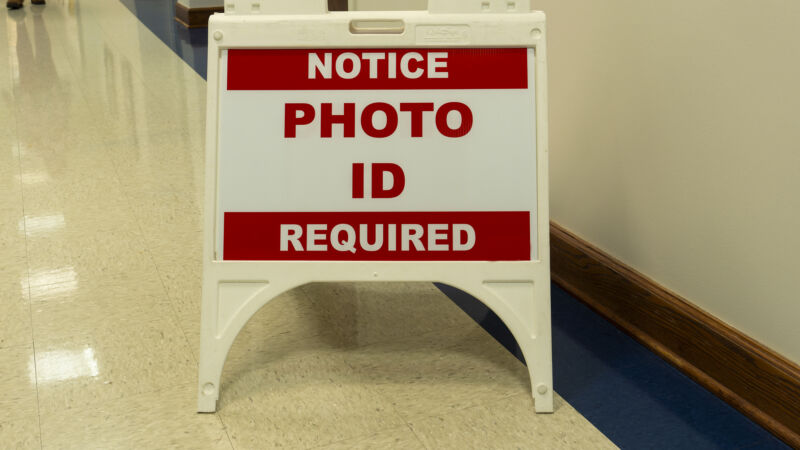
Republicans’ main targets of concern about the issue have the context of data on their side, but not necessarily the policies, according to public opinion. Declare asked well over a dozen blue-state election offices about it, and also took a crack at explaining the nuance ourselves.
By Chris Deaton
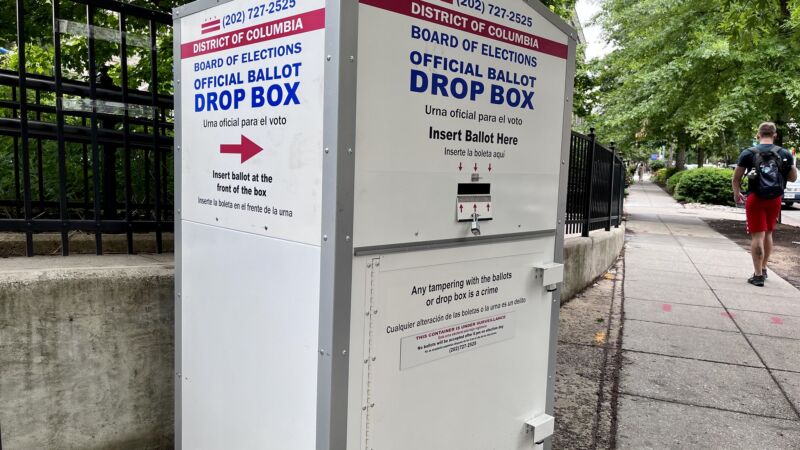
As the Postal Service reforms its mail distribution, and after a year when its role in elections was in federal court, mail balloting has trust issues.
By Chris Deaton
While dissimilar in nature, list management lapses sometimes crop up in states. Their randomness points to human and software errors generally — not a problem with noncitizen voting or another particular issue.
By Chris Deaton
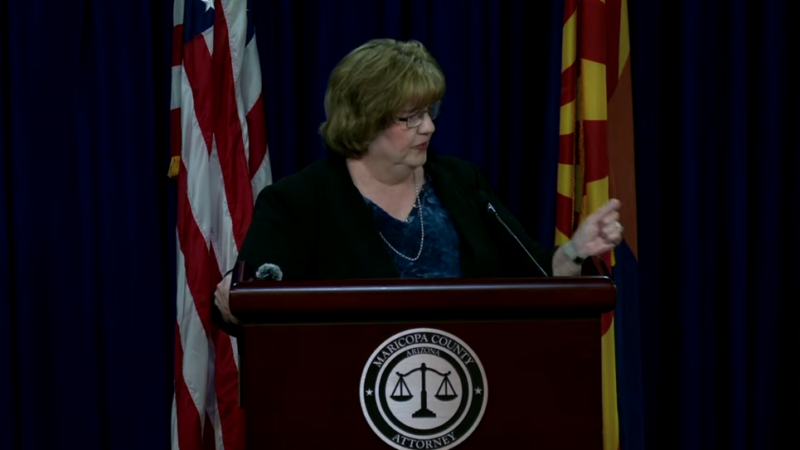
The Secretary of State in the first, and the Maricopa County Attorney in the second, either determined or referred for investigation 125 combined cases of noncitizen voting, from more than 20 million registered voters.
Video · from Declare
Watch
Original interviews and stories about elections and the way that government works.Taking Elections Seriously, with Gabriel Sterling and Stephen Richer
Declare's newest contributor and one of its first talk with editor Chris Deaton about treating the political process, including elections, with the seriousness it deserves.
Up next
Nevada’s Secretary of State Details Interaction with DHS over Noncitizen Voting
Trey Grayson on How – and When – Election Officials Began to ‘Pivot’
Hold the Line: KY Guard Unit Works Through Obstacles to Vote this November
State of the Secretaries with Michael Adams
State of the Secretaries with Stephanie Thomas
Nevada’s Secretary of State Details Interaction with DHS over Noncitizen Voting