Perspectives and conversations with public officials, election administrators, and legal experts on the decisions and debates shaping American elections and other government institutions.
‘American elections are accessible, secure, and accurate. We should be proud. Nonetheless, we should continue to improve American elections. And we should have conversations about documented proof of citizenship.’
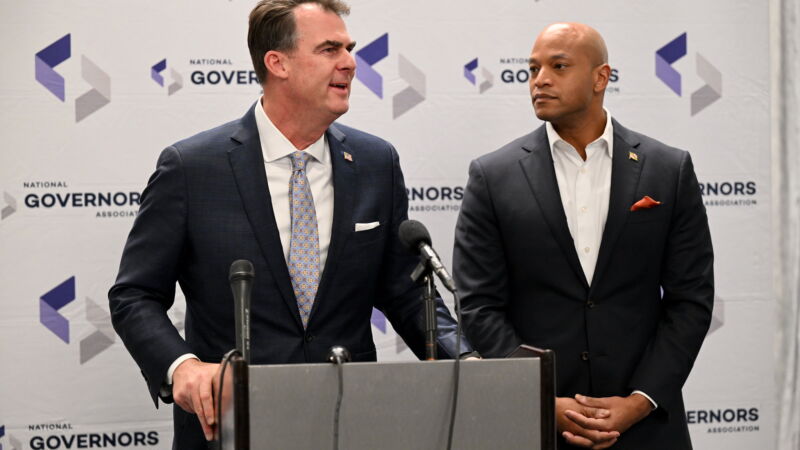
The Oklahoma governor, who just completed his term as chairman of the National Governors Association, argues in Declare for keeping America’s elections responsive and accountable with the right constitutional balance of power.
“It’s just support. It’s general support,” which New Hampshire could use from the federal government, its chief election official says. “Leave the actual processes up to the states.”
It’s a feature, not a glitch, that elections in this country are very decentralized, and that decentralized nature of elections administration has been a feature since the Founding.
Starting with a summer conference for America’s secretaries of state, three-plus months from the 2026 Midterms, Declare is spending time with chief election officials to get their insights on the election process.
While respecting a recent Supreme Court ruling that allows certain ballots to be received after Election Day, Nevada should update its policy for the sake of trust in the election process, its governor writes.