

California’s voting system is receiving an onslaught of attacks from President Trump and fellow Republicans, after the party’s leading hopeful to make the “top-two” general election for Los Angeles mayor in November, Spencer Pratt, dropped from second to third place in the primary a few days into the counting of ballots. The unfavorable turn of fortune has provoked a new — and unrelenting — round of fraud claims, particularly given that California is a redoubt for Democrats and has an uncommon, and arguably lax, combination of election rules.
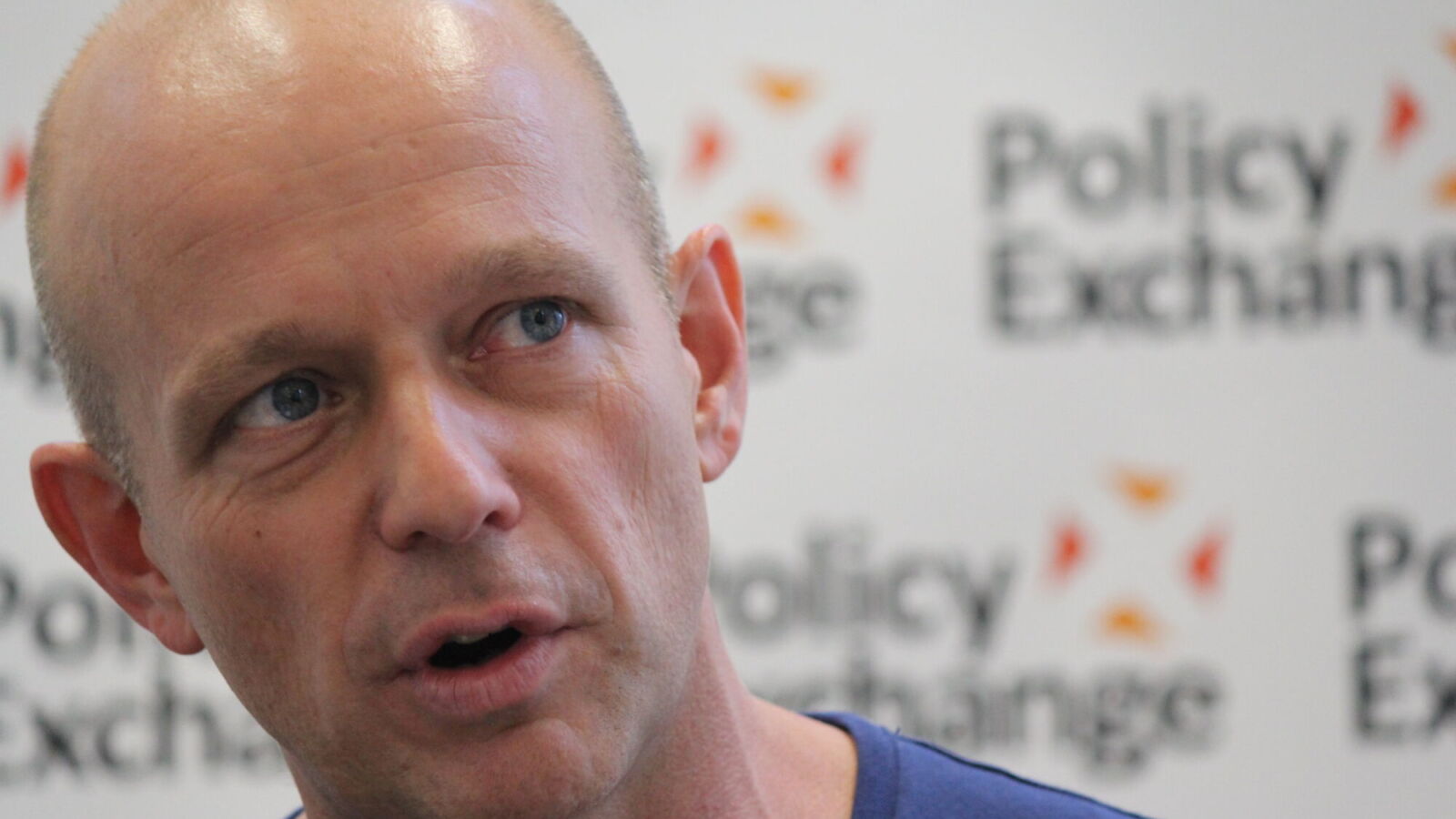
One person whose voice is notably missing from the chorus is that of Steve Hilton: the likely Republican nominee for California governor. In the state’s electoral format, in which all primary election candidates run against each other during the preliminary round, and the top two finishers advance to November, Hilton is in the second slot by a comfortable margin of more than 200,000 votes over Democrat Tom Styer. More than 80 percent of ballots have been counted, as of this writing. Democrat Xavier Becerra has already clinched one of the two spots for the general election.
Hilton’s criticisms of California’s voting rules are blunt. “There’s so many things wrong with the system. I’ve been saying all along, we take it very seriously, because we don’t want to let people down,” he told CNN during an interview on Monday night. “We’ve been very vigilant on it. We’re keeping an eye on it. We’ve got teams standing by, lawyers standing by.” As an issue of “political norms” — those unspoken standards we agree to uphold for the sake of preserving, no joke, basic social order — these are entirely appropriate comments. Simply expressing an opinion about a subjective matter like election policy is participation in the political process.
Expressing one about an objective, measurable thing like election fraud, by contrast, risks doing damage to that process. Doing it responsibly requires credible allegations and ultimately proof, as determined by a court or an official investigative body. To Hilton’s credit, he understands the difference. Because when asked directly if he’s “worried that there’s fraud right now,” he replied: “We’ve seen nothing that would give us cause to intervene in that way.” (“In that way” refers to the deployment of the “teams” and “lawyers” he mentioned.)
“But more importantly than that,” he continued, “Bill Essayli, the U.S. Attorney, who actually’s got the full weight — we’re just a campaign, he’s got the full weight of the Justice Department — he’s there, and he’s taking a look at it. And I trust that if there is anything that needs to be investigated, that he will make sure it happens. But I think the real point is that this whole system needs to be improved.” Hilton went on to plug a voter ID measure that will appear on California’s November ballot.
More of “this,” please. “This” is how a responsible political candidate speaks to the public: offering criticism of a policy, suggesting improvements to it, and remaining honest about what he does and does not know about the consequences of the status quo. If that preceding sentence is how all office-seekers and -holders communicated, it is probable that America would have Congresses with higher approval ratings than 20 percent, presidents higher than 35 percent, and institutional confidence overall higher than what is suggested by the distrust pervasive in public forums like X.
It remains a pessimistic sign that “talking like a grown-up” is expected of adults in any context but politics.
Stephen Richer’s Testimony to House Judiciary Subcommittee on Noncitizen Voting