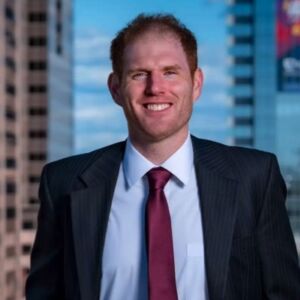
Stephen Richer is the former elected (Republican) Maricopa County Recorder, where he was responsible for voter registration and early voting for the 4.6 million people in the Phoenix, Arizona metropolitan area. He is now a legal scholar at the Cato Institute, a lecturer and fellow at the Harvard Kennedy School, and the CEO of Republic Affairs, a Washington, D.C.-based solutions firm for civic nonprofits. He contributes to a number of media outlets in addition to Declare, as a political contributor and election analyst at NBC News, a regular columnist at The Arizona Republic, and a contributor to The Dispatch.
Richer’s contributions to election administration and American governance have earned him a number of awards including, “Defender of Democracy” (Time, 2024), “Leader of the Year” (Arizona Capitol Times, 2023), and “Arizonan of the Year” (The Arizona Republic, 2021).
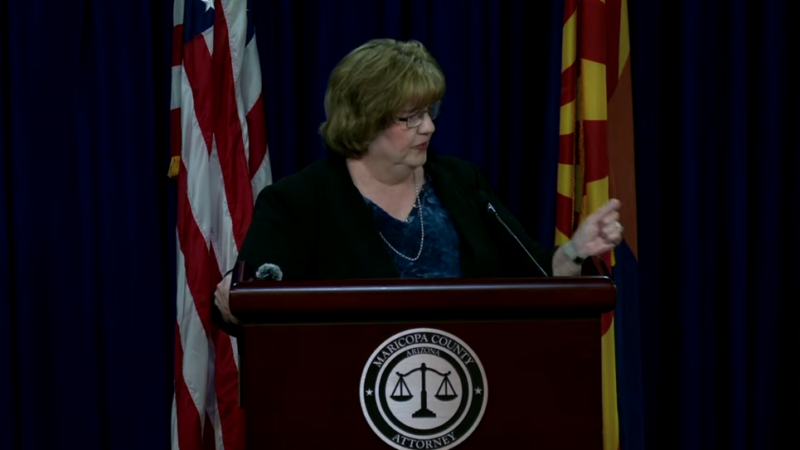
The Secretary of State in the first, and the Maricopa County Attorney in the second, either determined or referred for investigation 125 combined cases of noncitizen voting, from more than 20 million registered voters.
‘American elections are accessible, secure, and accurate. We should be proud. Nonetheless, we should continue to improve American elections. And we should have conversations about documented proof of citizenship.’
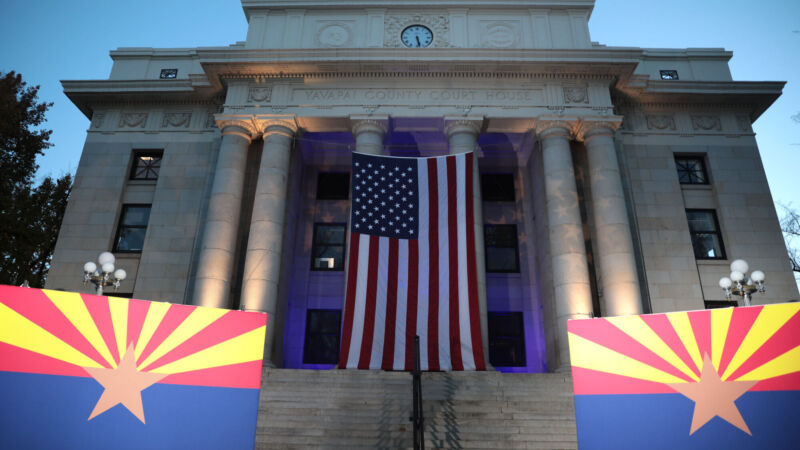
The efforts of the Yavapai County Recorder’s office will likely help bolster trust in its elections, but it offers some useful information for officials and voters in other jurisdictions, too.
A judge determined that using a federal data tool for verifying voters’ citizenship status was beyond its lawful purpose. But the existence of such a mechanism might fill a need.