

Poll analysis · Declare / Cygnal · Pennsylvania
To Pennsylvanians, Nation’s Elections Face Bipartisan Credibility Problem
Trust in the election system “as a whole” is declining across all political affiliations, our survey finds.
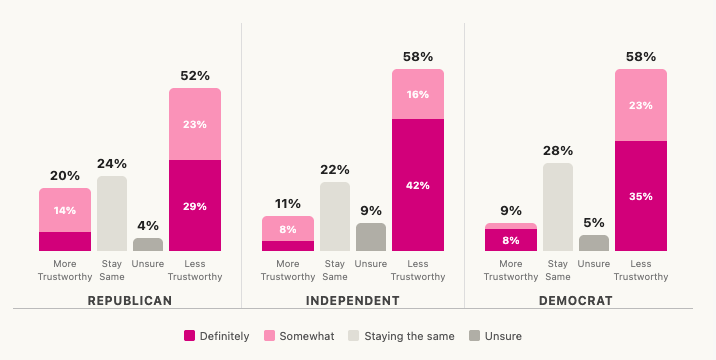
Trust in elections is usually measured as a voter’s feelings in the current moment: Do you trust the accuracy of results? Do you trust mail ballots? Do you trust your local officials? But with election policy and administration being so fluid the last handful of years — subject to a flurry of action from all three branches of the federal government, as well as from state legislatures across the country — Cygnal, in a survey for Declare, asked voters in Pennsylvania how they’ve been feeling about elections over time. The answer, in general, isn’t “great.”
“Would you say the administration of elections in the United States as a whole is getting more trustworthy, less trustworthy, or staying the same?” the poll asked 600 likely general election voters in the commonwealth. Fifty-five percent overall said less trustworthy, with thirty-three percent saying “definitely” less; and only fourteen percent said more. Twenty-six percent said that trustworthiness is holding steady, and five percent were unsure.
Strikingly, Democratic respondents were slightly more likely than Republicans and independents to express declining faith in the election process. Fifty-eight percent of them said election administration is becoming less trustworthy, with just nine percent saying more. The splits for Republicans (52/20) and independents (58/11) are a touch narrower, taken together.
This credibility gap is significant enough across the board that such a difference doesn’t matter a great deal — instead, it demonstrates how thoroughly deep and widespread the issue is.
Election changes due to the COVID pandemic and President Trump’s “Stop the Steal” movement are the only reasonable “day zeroes” of the current national fight over elections; Bush v. Gore is a distant memory, and Democratic challenges to the 2004 presidential election results were not nearly at the scale of those of Trump’s and his allies’ to the 2020 outcome. In the last half-decade plus, Trump has continued to insist he was the true winner that year, and with the help of a loud and relentless messaging apparatus, he’s presented noncitizen voting and mail voting as discrediting the election system. Trump has issued relevant executive orders, and congressional Republicans have advocated for related legislation.
Largely in response, Democrats have pushed their own federal election reform agenda, introducing the “For the People Act” in 2021 as H.R.1 — the bill number typically reserved for a legislative majority’s top priority — and used provocative rhetoric against the right, calling voting proposals from Georgia to Washington, D.C., “Jim Crow 2.0,” regardless if the incredible characterizations have stood up to scrutiny. They also have attacked the legitimacy of the judicial branch after flashpoints such as the Supreme Court’s recent decision in Louisiana v. Callais.
Combined, the hyper-partisan environment is engineered to lower the public’s confidence in the election process. Nevertheless, and encouragingly, Pennsylvania voters overwhelmingly say they’re prepared to accept the results of statewide and federal elections in the upcoming Midterms. Just 3 percent said they’re unlikely to accept the results of the governor’s race; that number ticks up slightly, to 8 percent, for House and Senate elections. By contrast, 85 percent and 79 percent said they’re likely to accept the gubernatorial and congressional elections, respectively.
A link to the results is here.
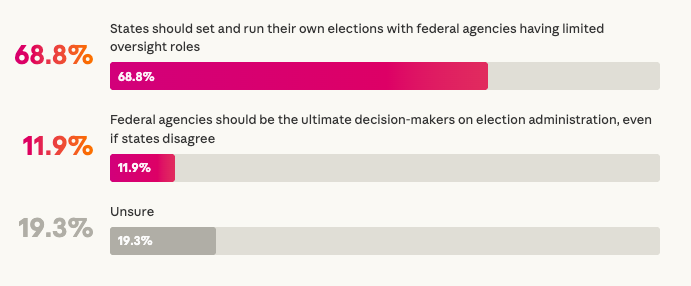 Opinion DiagnosticNC Republicans Favor State to Federal Election Control 63-18
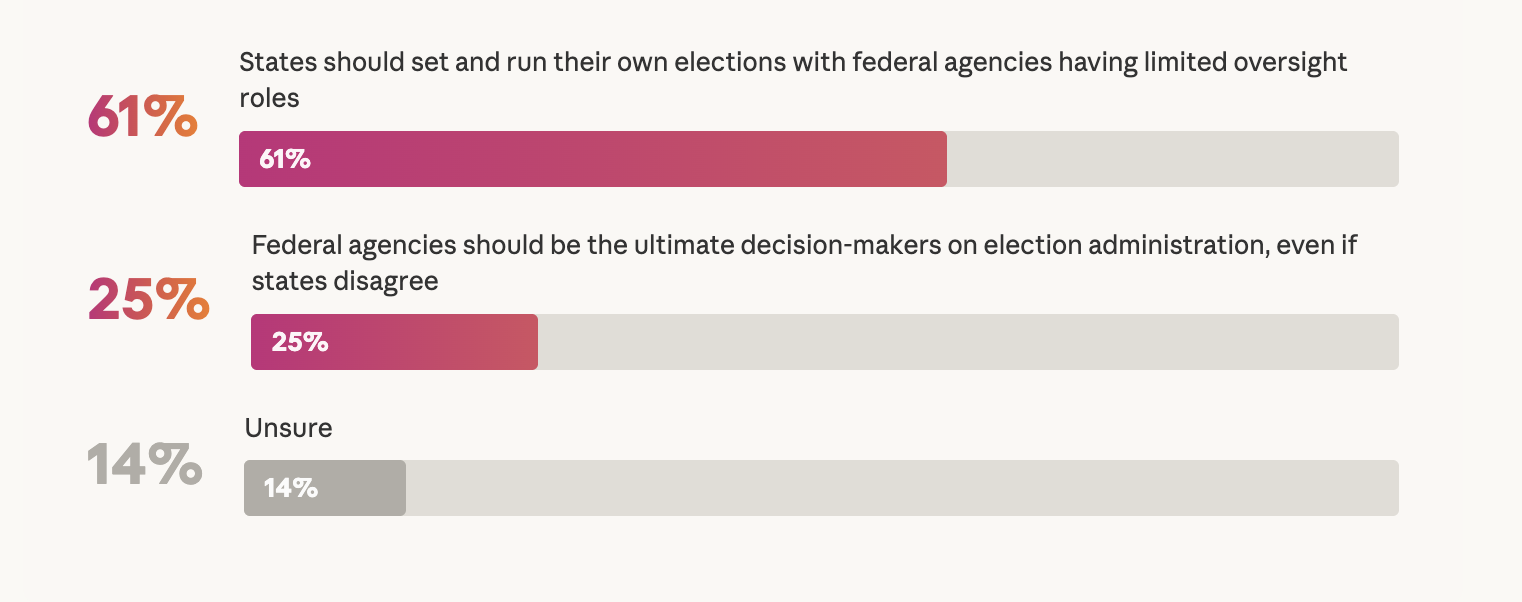 Deeproot AnalyticsState Control of Elections Favored in Giant National Survey
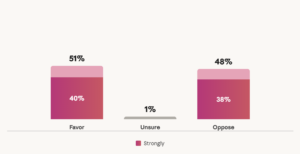 The Tarrance Group · NevadaNevada Voters 50/50 on Supreme Court Issue Argued This Week
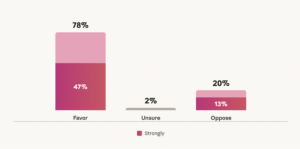 The Tarrance Group · Wisconsin78% of Wisconsinites Back ‘Pre-Processing’ of Mail Ballots
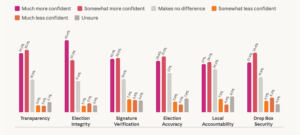 Cygnal · ArizonaKnowing the Process Builds Trust in Arizona, Declare/Cygnal Poll Finds
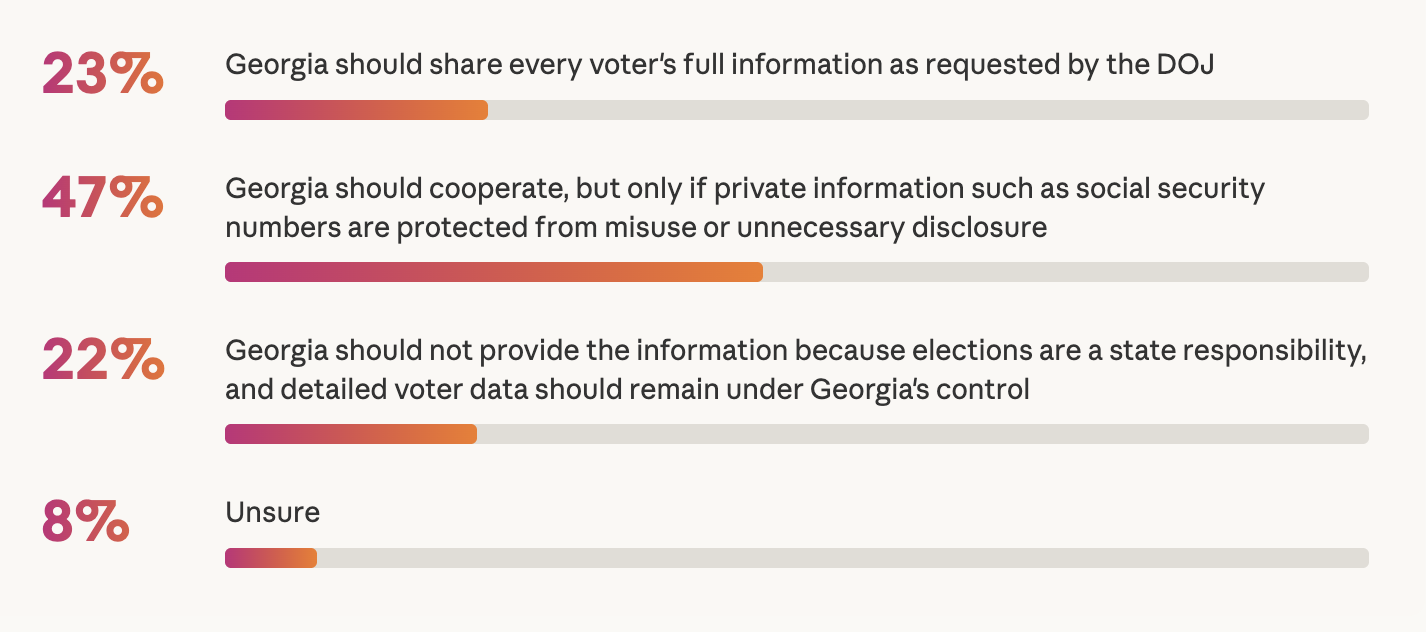 Cygnal · GeorgiaOnly 23 Percent of Republicans Support Full DOJ Voter Roll Request, Georgia Poll Finds