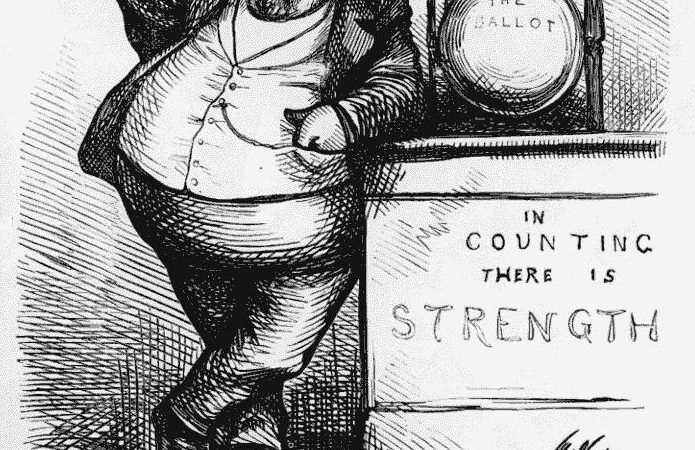
The historical record makes clear that fraud once affected major elections in American history. But changes in society, law, and election administration have made it all but disappear.
Michigan has some of the country’s most localized elections. What does that mean for how the process works and what to expect from it come Election Day? Declare speaks with Kent County clerk and RightCount state chair Lisa Posthumus Lyons for answers.
Aaron Lipski, Milwaukee Fire Department chief and RightCount state advisor, speaks with Declare about his experience volunteering during election season and how he connects with fellow locals about the process.
Our contributor, the former Kentucky Secretary of State, explains the timeline leading up to Election Day this year, for both voters and those who run the process.
“It’s just support. It’s general support,” which New Hampshire could use from the federal government, its chief election official says. “Leave the actual processes up to the states.”
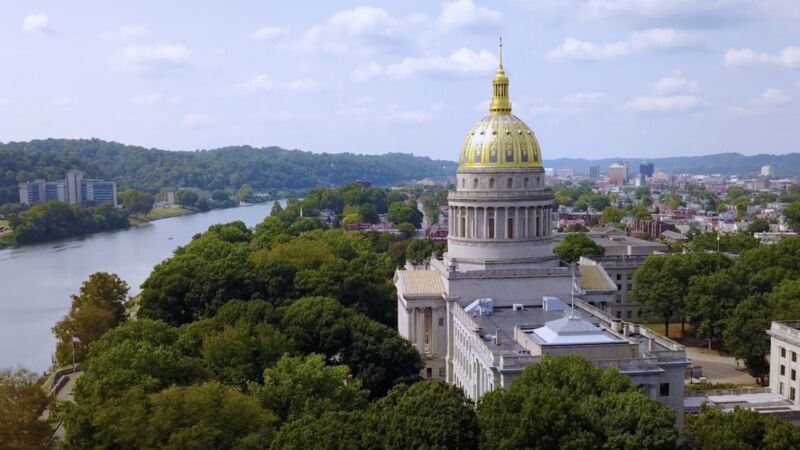
Poll worker shortages are a common concern of election officials nationwide. In West Virginia and Tennessee, the secretaries of state try out something new to aid recruitment efforts.
It’s a feature, not a glitch, that elections in this country are very decentralized, and that decentralized nature of elections administration has been a feature since the Founding.
Starting with a summer conference for America’s secretaries of state, three-plus months from the 2026 Midterms, Declare is spending time with chief election officials to get their insights on the election process.