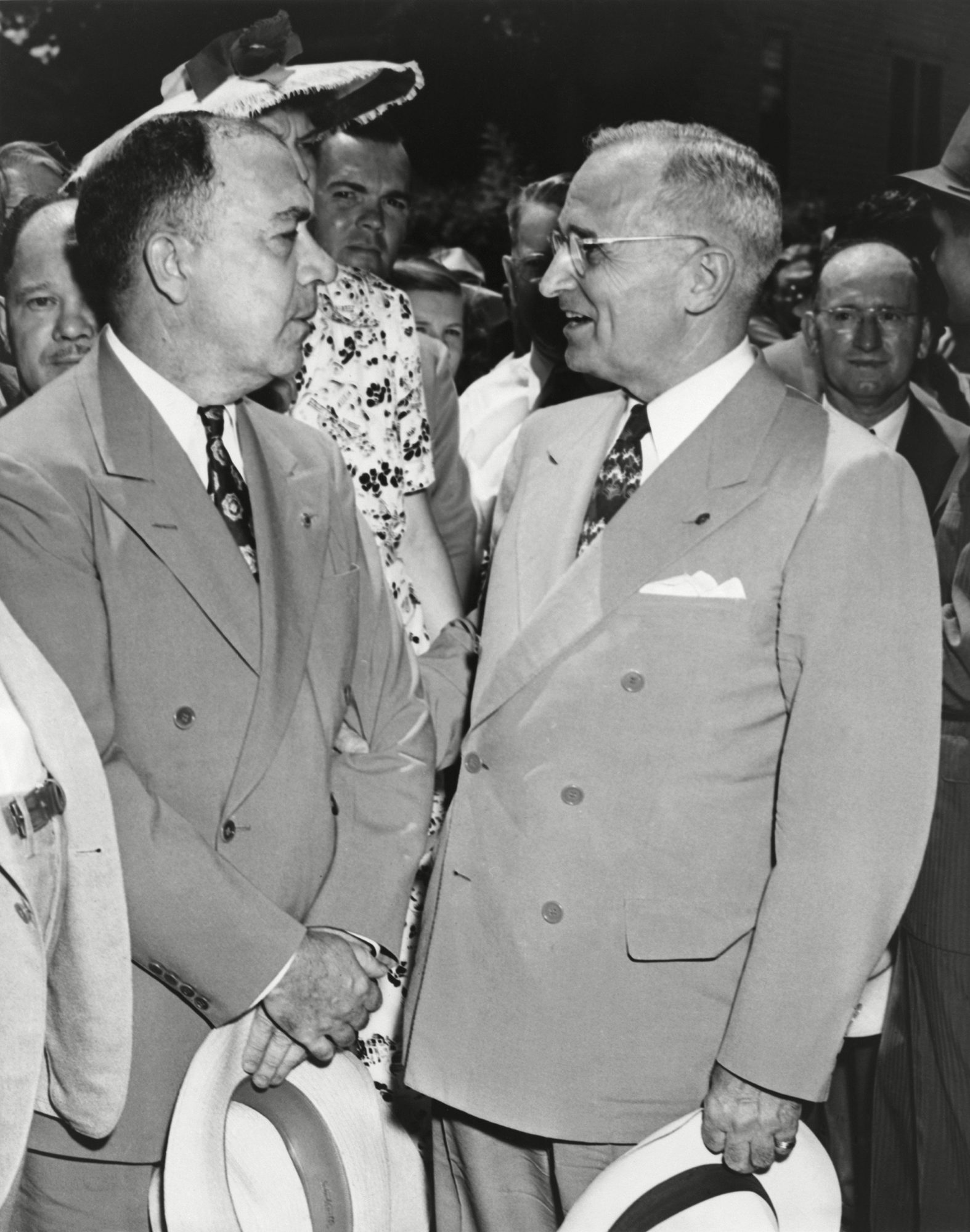
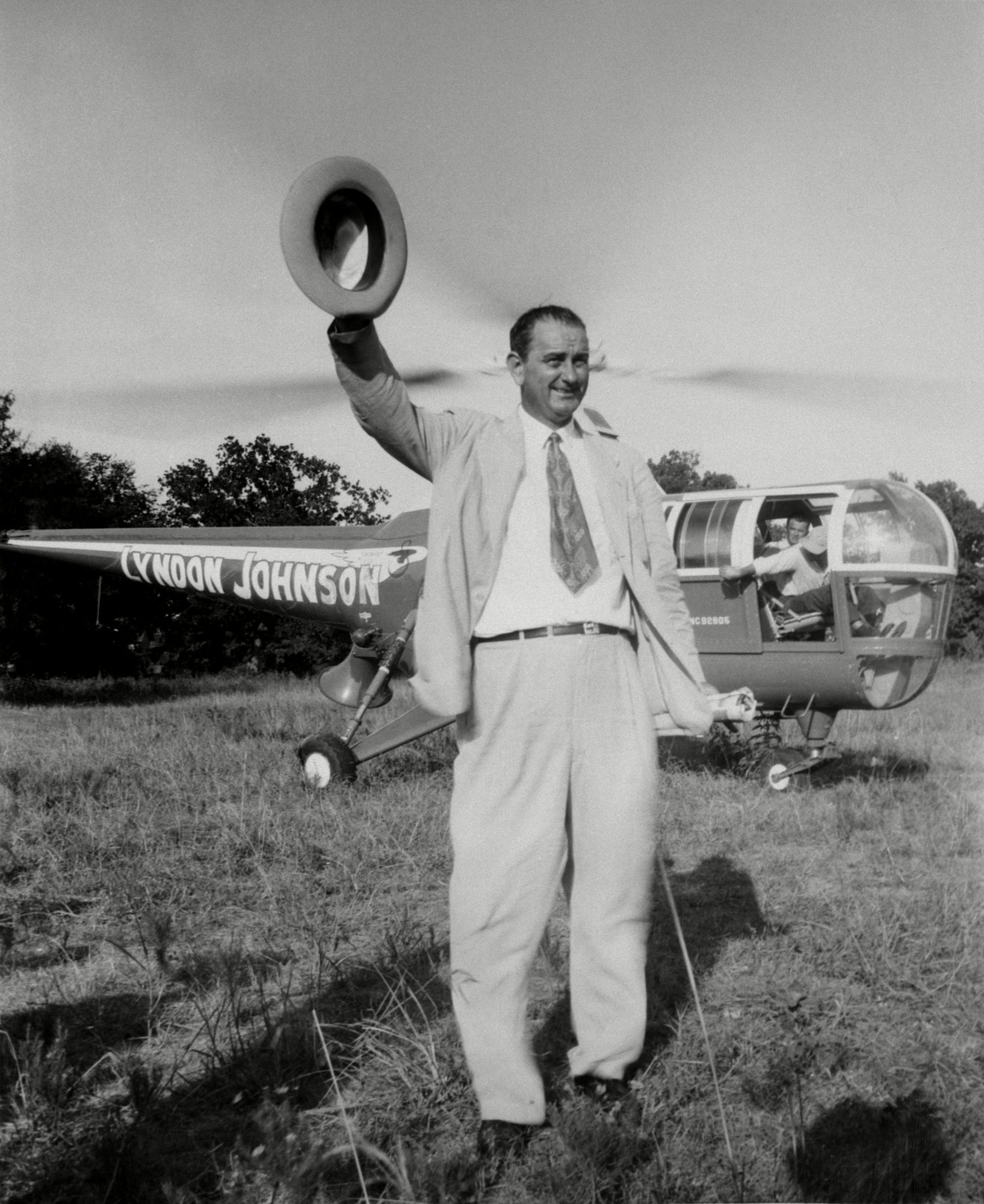
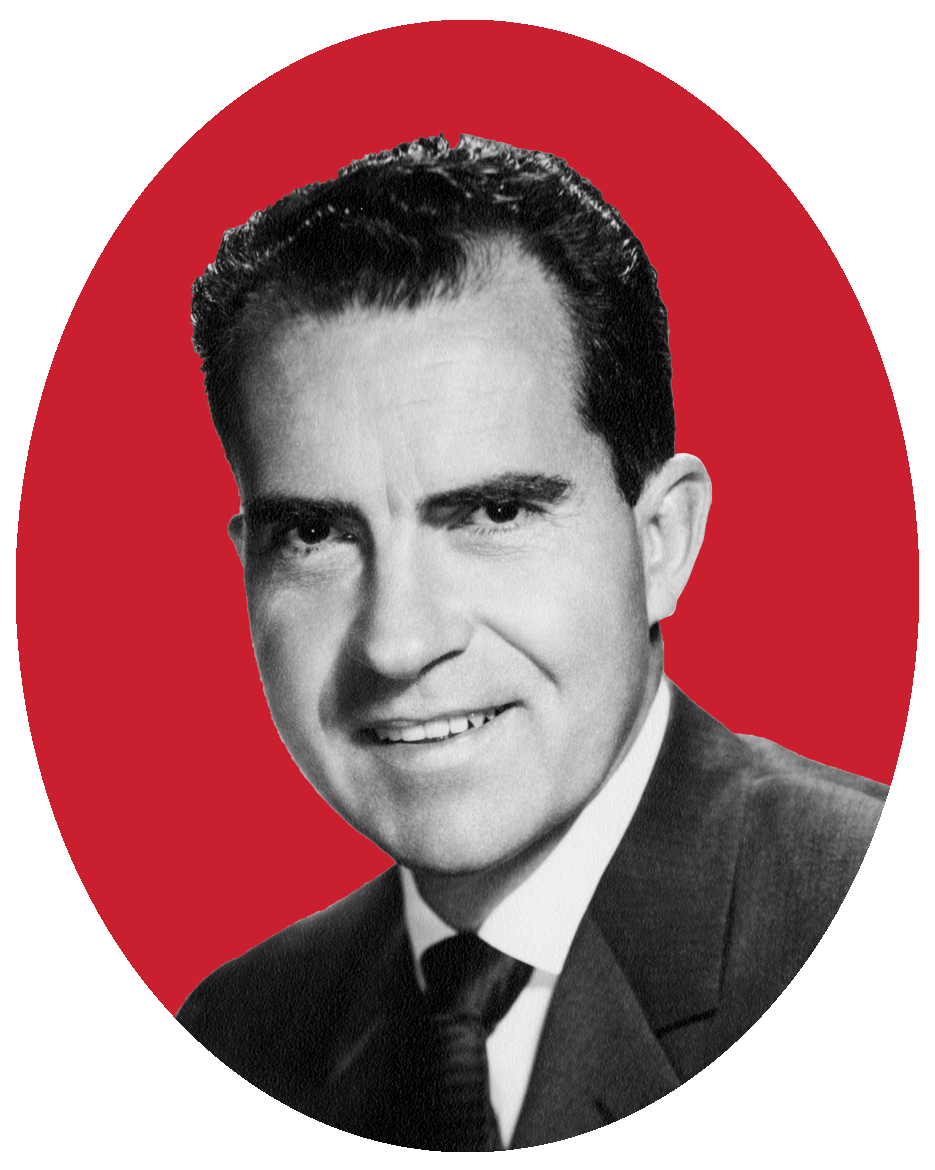
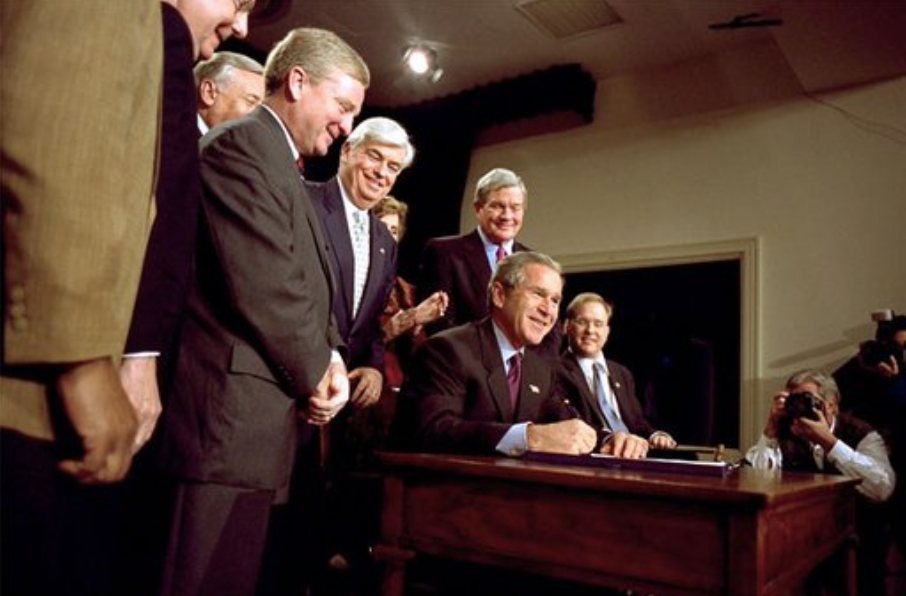
Lyndon Baines Johnson is one of the most consequential presidents in American history. He oversaw the Great Society agenda, which produced landmark civil rights laws and a massive expansion of the social safety net, including the creation of Medicaid and Medicare. He signed legislation to reform the immigration system and increase the federal government’s commitment to higher education. All that is without mentioning Vietnam. “In a very real sense, we are living today in the country that Johnson and his Congress made,” as a book publisher’s note about him reads.
Also in a very real sense — it is possible that his story never would have been written without a hand from election fraud.
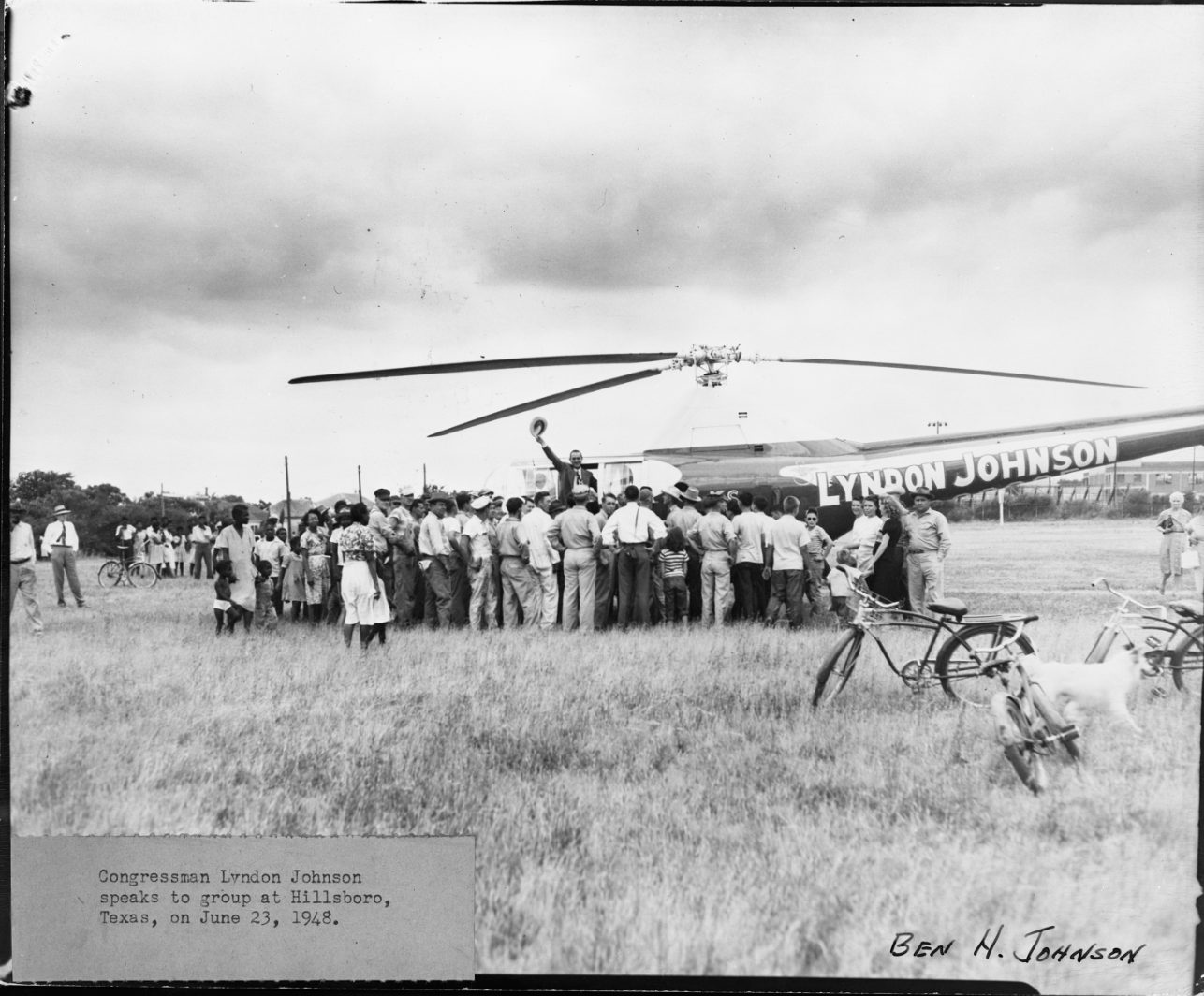
In 1990, the eminent biographer Robert Caro published the second in a four-volume set about Johnson, cheekily named “Means of Ascent,” in which he concluded that LBJ had stolen an 87-vote win against his Democratic primary opponent with the help of crucial party bosses and enforcers. ''People have been saying for 40 years, 'No one knows what really happened in that election,' and 'Everybody does it.' Neither of those statements is true,” Caro told the New York Times in an interview. “I don't think that this is the only election that was ever stolen, but there was never such brazen thievery.''
Johnson was credibly alleged, including by a crooked election judge in 1977, to benefit from some of the oldest and most asinine tricks in the book, such as vote-buying, forged ballots, and inflated totals, and a “political machine” that was able to facilitate and protect the scheme. Even a campaign aide to Johnson said that Caro’s account was factual; his problem was that it stripped out the context of cheating up and down the ballot.
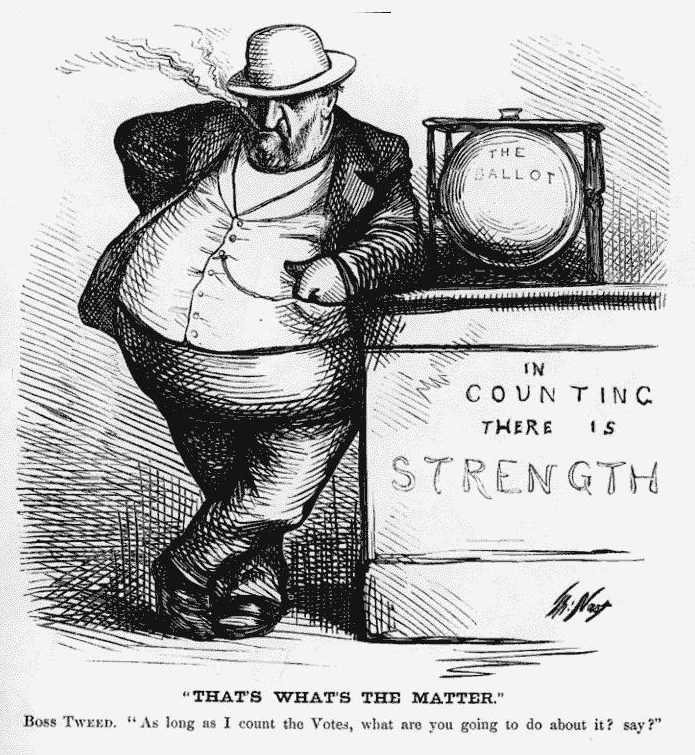
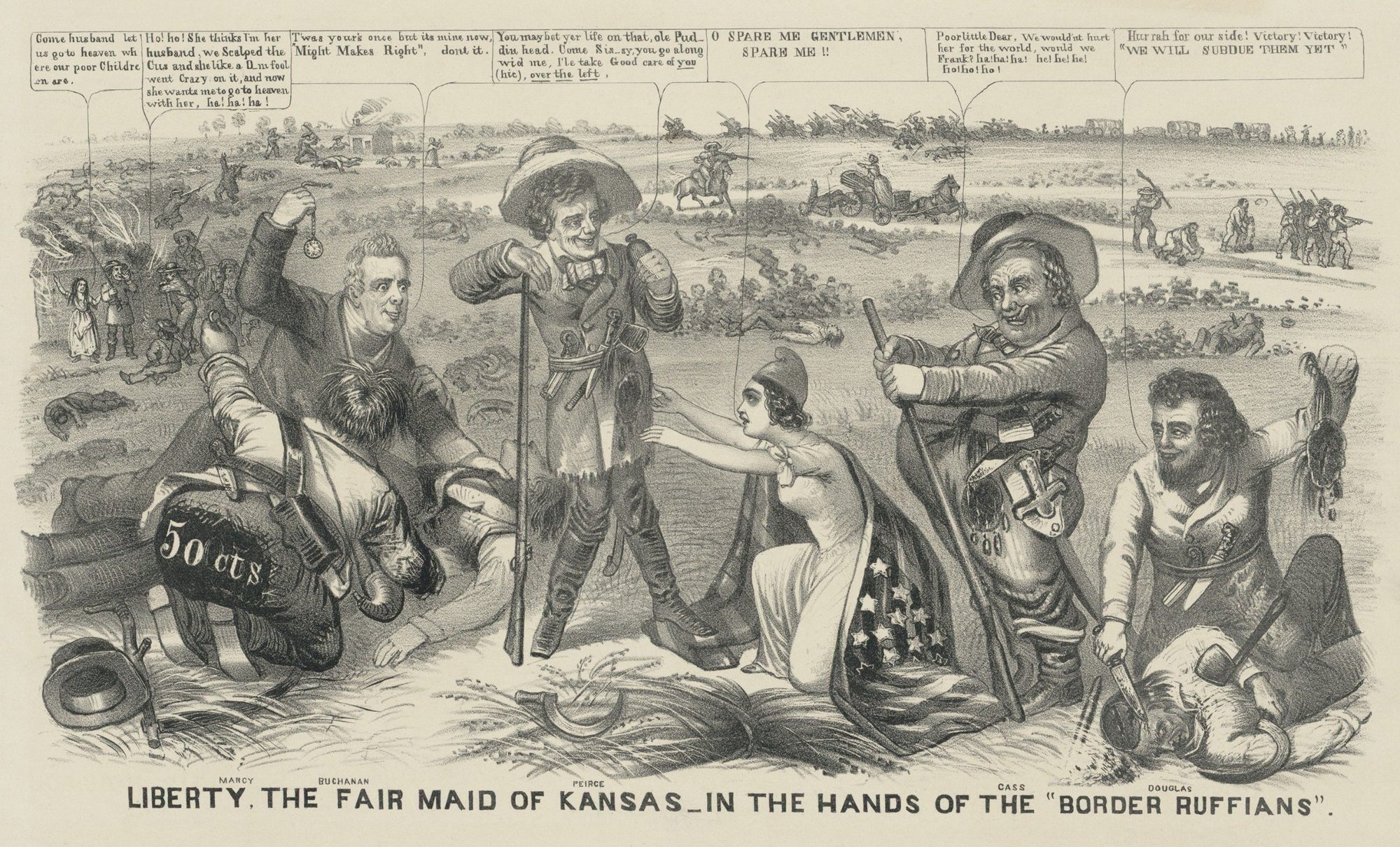
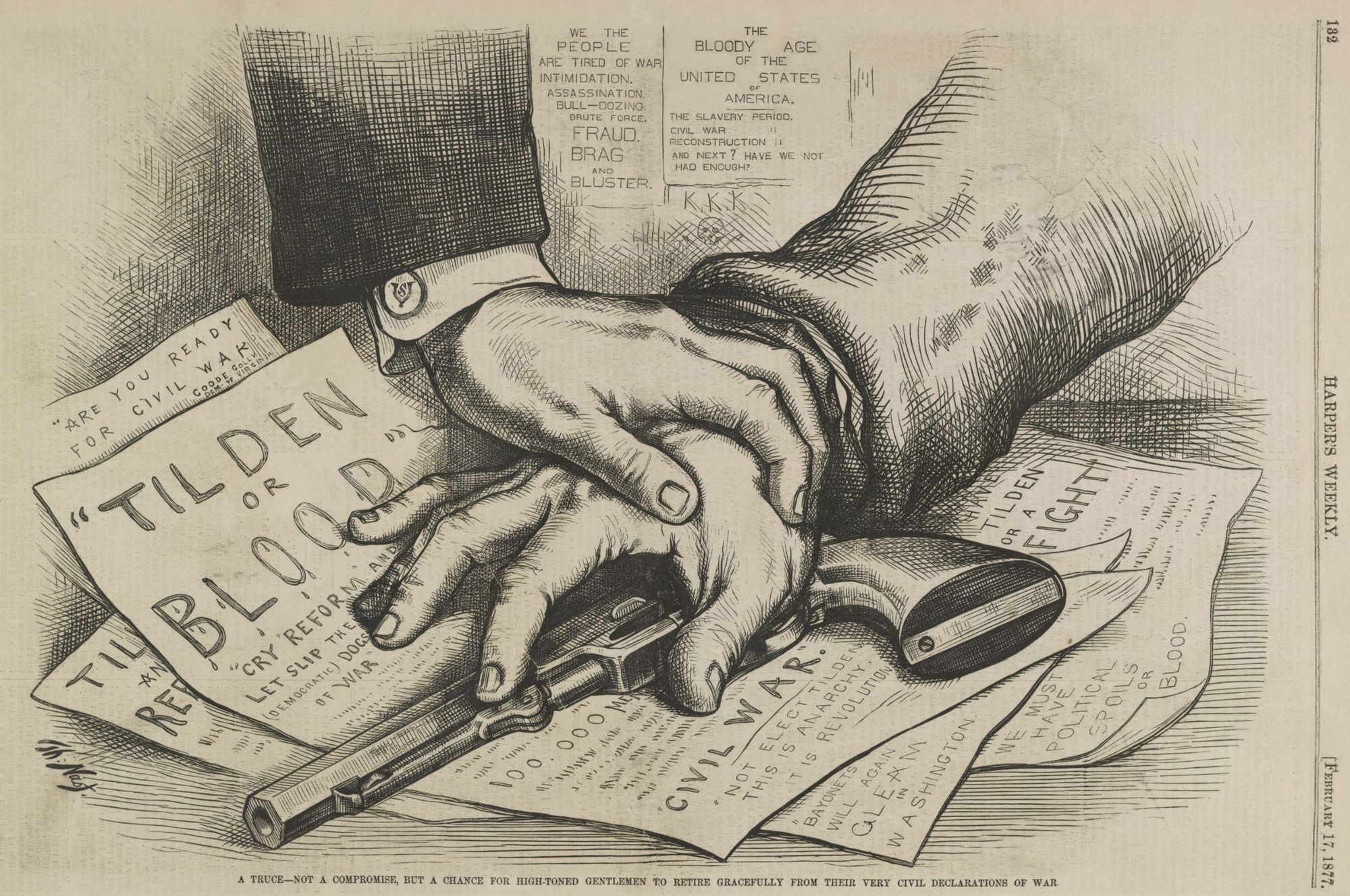
The Texas Senate race of 1948 takes its place alongside such examples as the presidential campaign of 1876 and “Bleeding Kansas” of actual, real-deal election fraud, which helped determine the course of American politics. They are not in dispute, but rather documented by the likes of Caro; the University of Kentucky historian Tracy Campbell in his vignette-filled history, “Deliver the Vote;” Cornell University’s Richard Franklin Bensel in his more specific survey, “The American Ballot Box in the Mid-Nineteenth Century;” and many other local historians and journalists.
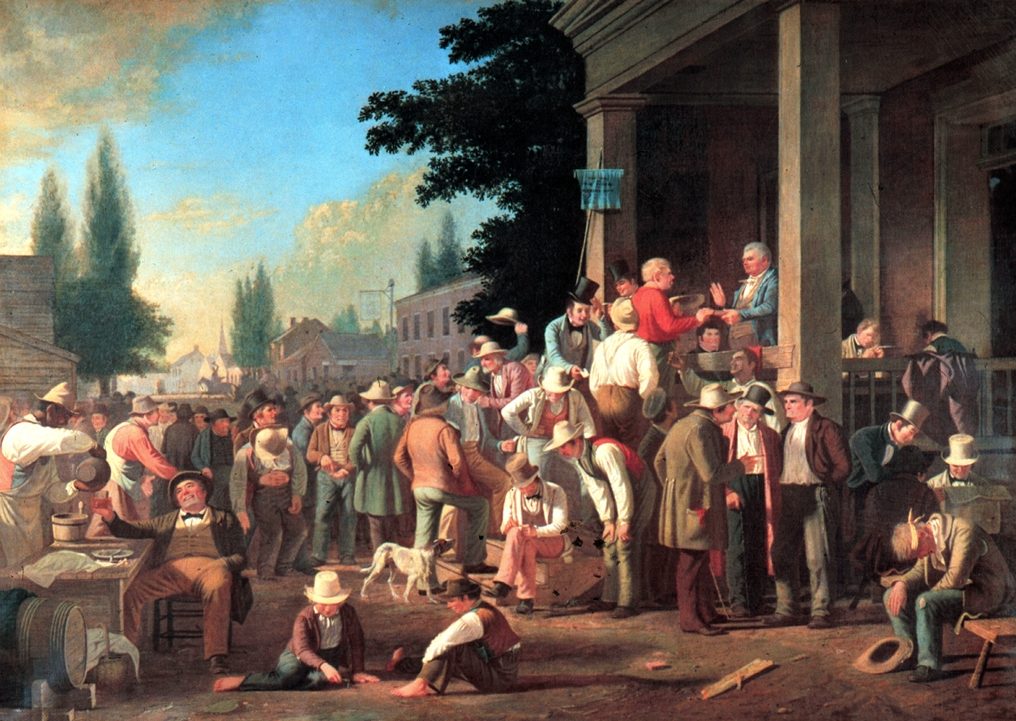
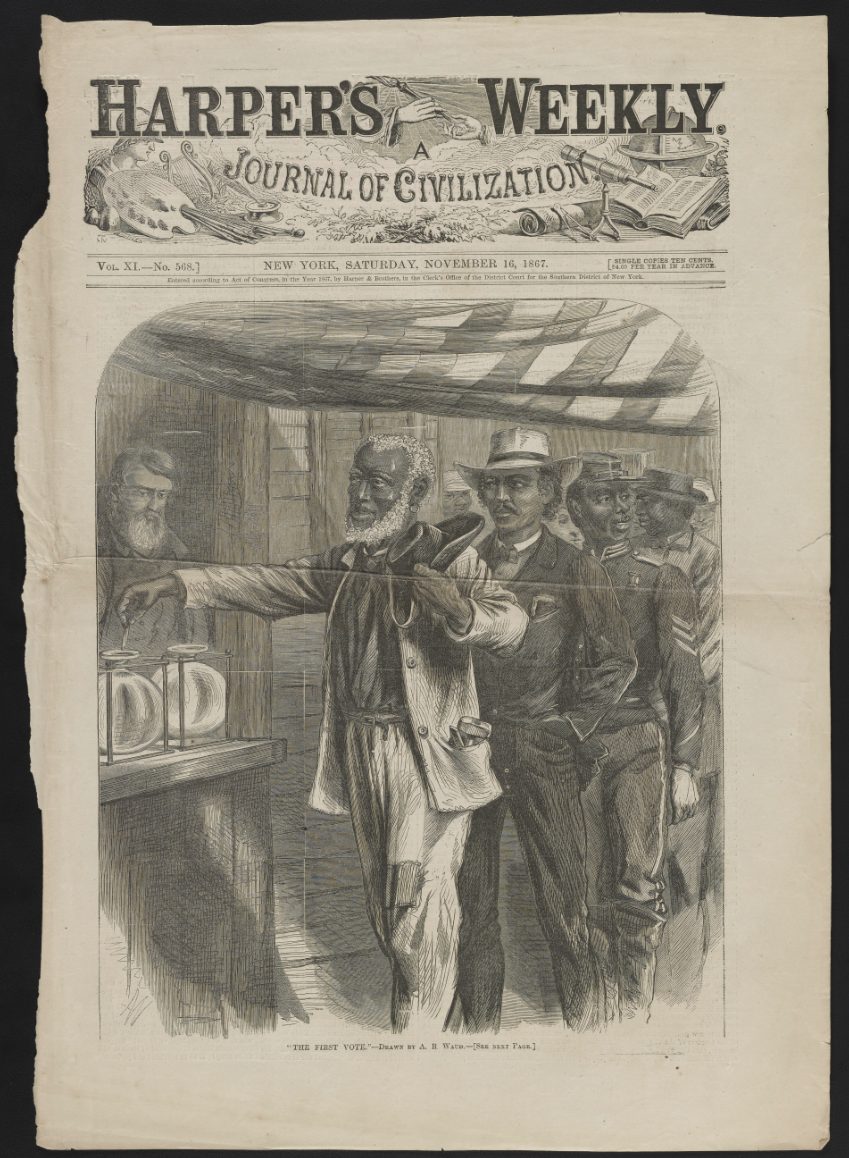
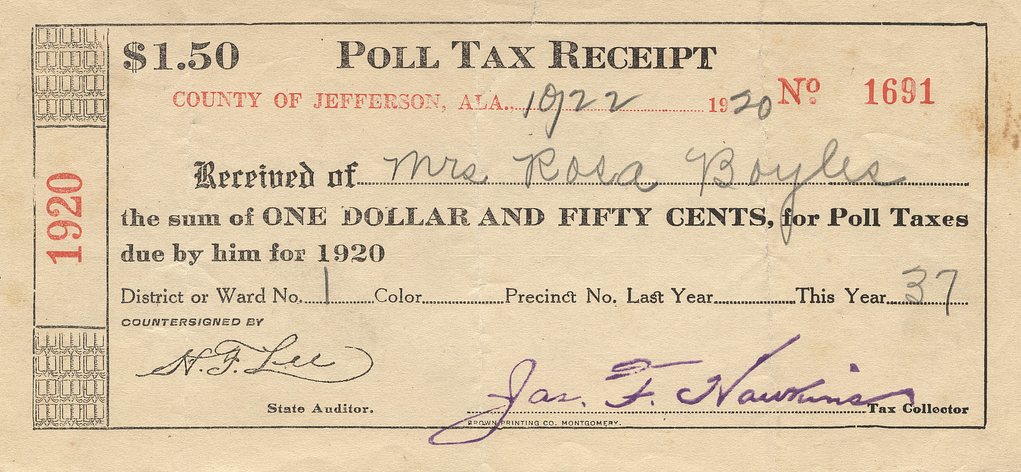
Their work is an aggregation of contemporary sources — of official congressional and state government accounts, independent investigative findings, press reports, individual correspondence — which explains how, in the aggregate, illegitimate election results were not unusual in American politics during the 19th and much of the 20th centuries. The contexts varied, from machine politics in big cities to racial violence in the Reconstruction-to-pre-Civil Rights Era South. But the methods and questionable results that arose were often similar. Such methods can be said to define what “election fraud” actually is: as a direct tactic, the manipulation of ballots and vote-counting, and as part of a broader conspiracy, the coordinated efforts to count ineligible votes and thwart eligible voters to benefit a candidate or cause.
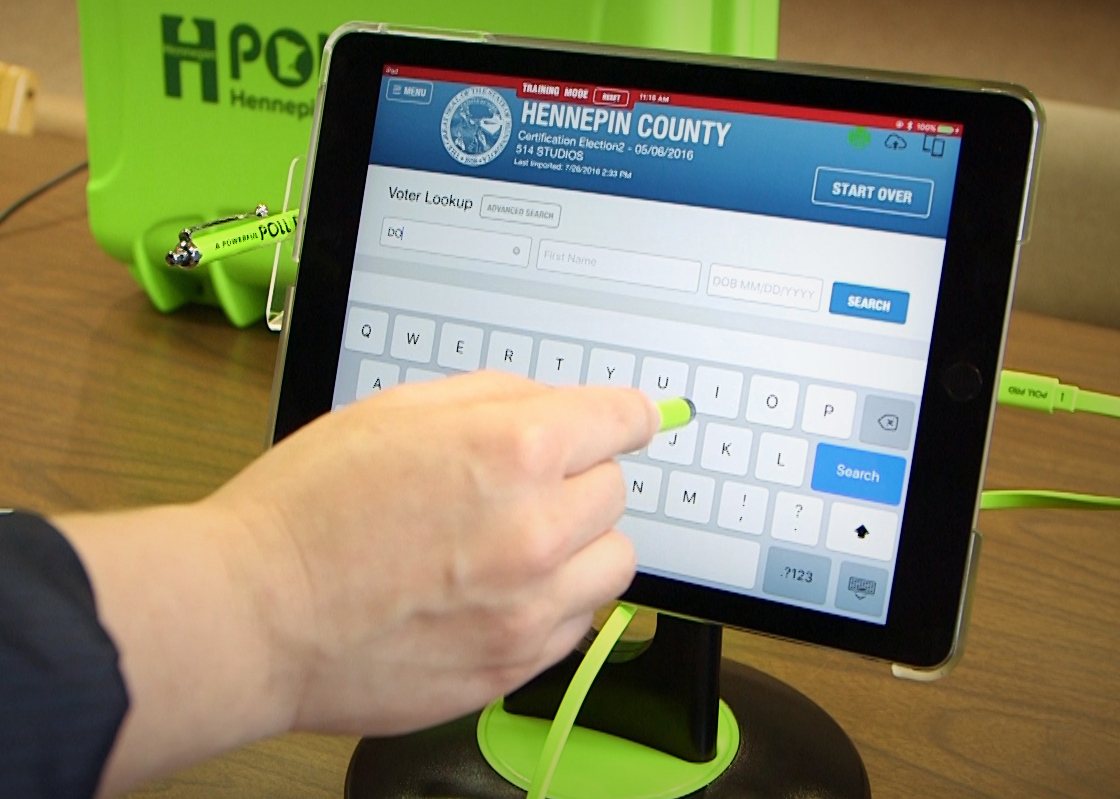
Here, as it is said, is the thing. Elections for high office, despite being decentralized, together have evolved to be essentially “secure” because of local and macro changes: the disappearance of machine politics; the introduction of technology for maintaining and scrutinizing voter lists; the professionalization and depoliticization of election administration itself; and the force of modern laws and cultural norms, which deter and punish criminal and unethical behavior that violates contemporary values of wide participation and fairness. These developments have not eliminated unlawful election conduct altogether. But the numbers that we do know, which have been vetted and whose methodologies are transparent and sound, indicate that election fraud of recent decades has been committed mostly at the individual level, at a scale of the hundreds — when hundreds and hundreds and hundreds of millions of votes have been cast.
Below is an abridged timeline of election fraud in the United States, which highlights significant examples of its existence as well as the progress of eliminating it. It is far closer to being an overview than to being exhaustive. Yet it hopefully is sufficient to satisfy its purpose, to demonstrate two, non-mutually exclusive facts: that election fraud once was a problem which marred our image of self-government, but now it has been addressed to such a degree that it has a negligible effect on major elections, for president, Congress, and statewide office. We hope it provides a foundation for having reasonable, rational debates about the trajectory of election policy and administration: government processes that are neither above scrutiny nor deserving of absolute doubt. We are publishing it as the votes in the 2026 Midterms begin to be counted — not coincidental timing, so that readers can have the steady context of history in mind as the turbulent, minute-by-minute, claim-by-claim developments of current events compromise our capacity to think clearly.